#Vote16 and the importance of engaging youth in elections
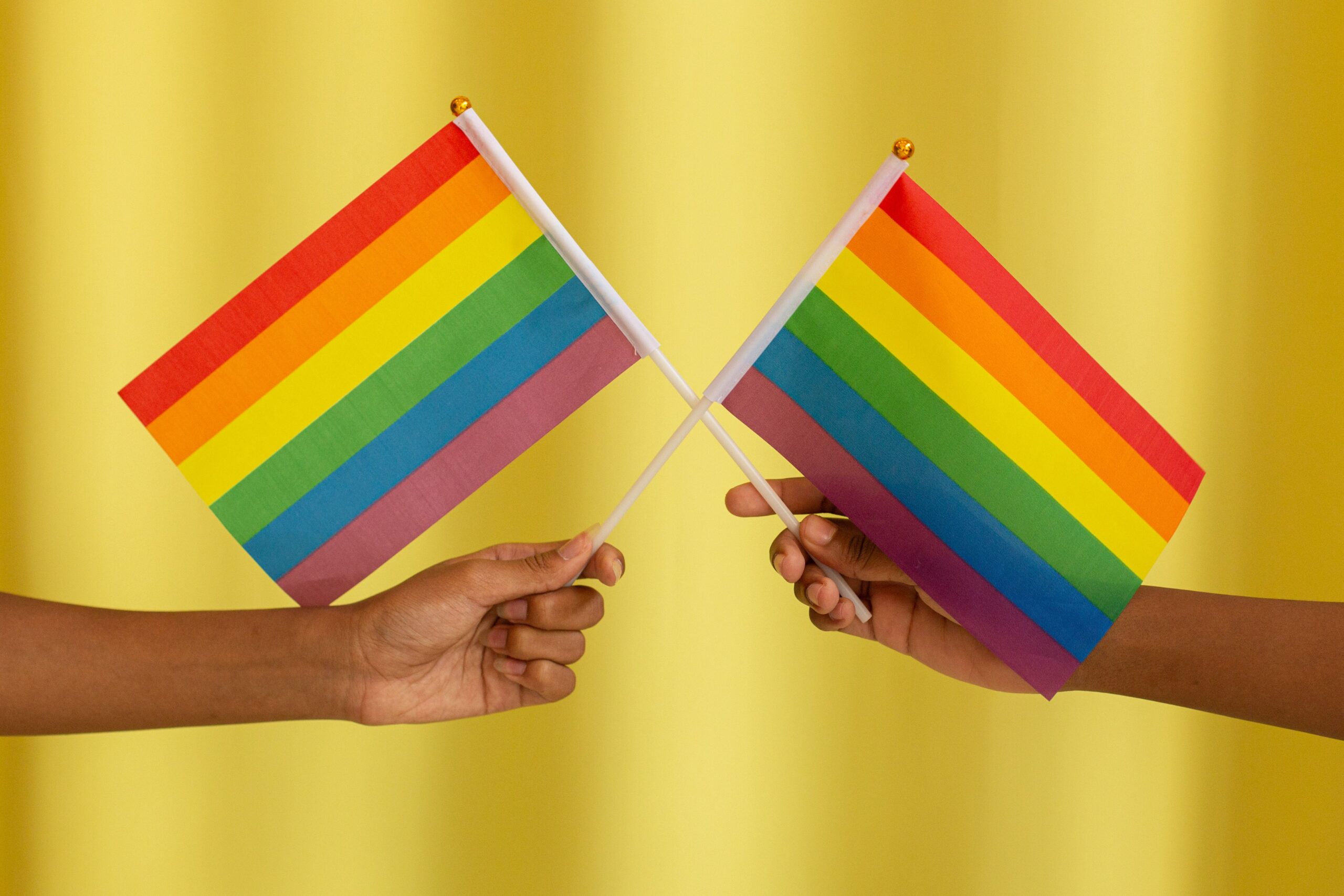
With several elections occurring across the country, Helix wanted to highlight #Vote16 and the importance of engaging youth in elections.

The history of #Vote16 (Bill S-222)
Background: Vote 16/Bill S-222, which proposed lowering the Canadian federal voting age to 16, was introduced by Independent Senator Marilou McPhedran in May 2025.
Two sides to the argument:
- Those in favour argued that 16 and 17 year-olds work, pay taxes and are politically informed. They emphasized that the ability to vote at a younger age builds lifelong positive civic habits.
- Those opposed argued that 16 and 17 year-olds are influenced by friends and parents, and that the legal age of majority in the country is 18.
Outcome: The bill was defeated in the Canadian Senate on April 21, 2026. However, McPhedran and #Vote16 are not losing hope, assuring that each step gets closer to achieving their goal.
For further information about #Vote16, check out their website and this Helix blog post.
Youth taking action
In December 2021, 13 Canadian youth (aged 12-18) filed an application to the Ontario Superior Court of Justice to lower the federal voting age. Backed by several organizations, the youth argued that preventing citizens under 18 from voting was a violation of the Charter of Rights and Freedoms.
Their actions made headlines and sparked much discussion. Ultimately, federal voting has remained restricted to only those over 18 years-old.
Young voter statistics (electors aged 18-24)
According to data from Elections Canada, only 46.7% of electors aged 18-24 voted in the 2021 federal election. This statistic is lower than any other age group.
That number increased slightly in 2025, with a 55.9% turnout, but there is still significant room for improvement.
Moving forward and keeping youth engaged
While Canada’s voting age remains at 18, there are other measures youth can take to stay engaged in politics and their communities.
For example, The Ontario Register of Future Voters allows eligible 16 and 17 year-olds to be automatically added to the voter list when they reach 18.
Youth can:
- Volunteer to put up election signs or assist in door-to-door initiatives if they are passionate about a party or issue.
- Apply to work at election polls.
- Become a member of a federal political party (if at least 14 years-old).
Check out this resource to learn more about engaging youth in elections.
Other Blog Articles